


Why Vision Boards Actually Work
Vision boards aren’t just Pinterest inspiration collections. They’re psychological anchors. When you see a physical representation of your goals every single day, something shifts in how you perceive opportunities and obstacles. It’s not magic—it’s neuroscience. Your brain starts filtering information differently, noticing paths and resources you’d otherwise miss.
The key difference? Physical boards beat digital ones hands down. A screen can be closed. A vision board on your bedroom wall, your office desk, or your bathroom mirror—that’s persistent. You can’t swipe past it. You engage with it whether you intend to or not. And that repeated visual reinforcement creates what researchers call “goal salience”—your objectives stay top-of-mind.

The Power of Written Declarations
Writing your goals down isn’t optional—it’s transformative. When you physically write something, you engage different neural pathways than typing or reading. The act of handwriting slows you down, forcing clarity. You can’t be vague when you’re putting pen to paper. “Get better at my job” becomes “Lead three successful project launches and mentor two junior team members by December.”
Written declarations also serve as personal contracts. There’s psychological weight to words you’ve committed to paper. Studies show people who write their goals down follow through 42% more often than those who don’t. It’s not about luck. It’s accountability you create for yourself.
Three Types of Declarations That Work
Identity Declarations
“I am someone who prioritizes health.” Frame it as who you’re becoming, not what you’re chasing. This rewires self-perception faster than outcome goals alone.
Milestone Declarations
Specific checkpoints with dates. “By June 30, I’ll have completed the online course and earned my certification.” Concrete targets keep you honest and measurable.
Commitment Declarations
“I commit to showing up three times per week, even when it feels hard.” These address the resistance you’ll face and plant your flag in advance.
Building Your Vision Board That Actually Gets Used
Don’t overthink this. You don’t need professional design skills or perfect aesthetics. What matters is personal meaning. Flip through magazines and grab images that resonate—not because they’re beautiful, but because they represent something you want to feel or achieve. Include photos, words, quotes, textures. Mix aspirational imagery with practical reminders of habits you’re building.
Location matters enormously. Place your board where you’ll actually see it. Most people put theirs on a bedroom wall, in their office, or even above their bathroom mirror. Some Hong Kong professionals keep a smaller portable version they review during their morning commute. The consistency of exposure is what creates the effect.

The Monthly Review Ritual
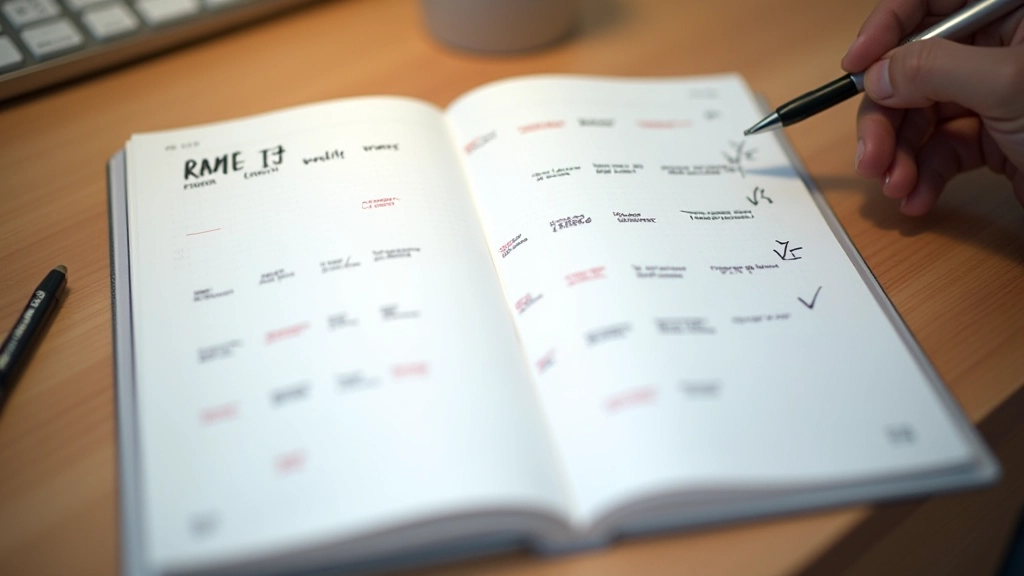
Vision boards and written declarations only work if you engage with them. Set a monthly review ritual—same day each month, same time. Spend 20 minutes with your board and your written goals. Ask yourself: What’s working? What’s not? Did I move forward on the milestones I set? Where did I get stuck?
This isn’t about judgment. It’s about feedback. Your board and declarations are living documents. You’ll refine them based on what you’re learning about yourself. Some goals might shift. Some might accelerate. And that’s perfectly fine. The point isn’t rigid adherence—it’s staying aligned with what matters to you right now, while building the momentum that carries you forward.
Bringing It All Together
Vision boards and written declarations work because they’re tangible. In a world of digital distractions, they create persistent, physical reminders of what you’re building toward. They make your goals real in a way that a note in your phone never will.
Start simple: Create your board this week. Write three identity declarations that matter to you. Place them where you’ll see them every day. Then set that monthly review ritual. You’ll be surprised how quickly this simple practice shifts your attention, your decisions, and ultimately, your results.
Disclaimer
This article provides educational information about goal-setting techniques and personal development practices. The strategies described are based on research and professional experience, but individual results vary. Vision boards and written declarations are tools for personal clarity and motivation—they work best combined with concrete action, realistic planning, and professional guidance when needed. For significant life decisions or health-related goals, consult appropriate professionals. These practices complement but don’t replace professional coaching, therapy, or specialized advice.